Trump's 25% Tariff Proposal on India Explained: Which Exports Are Hit, Why 17% Is on the Table, and What Comes Next
The US has proposed tariffs of up to 25% on Indian goods over 'excess manufacturing capacity', dropping to 17% if India signs a trade deal. Medicines and smartphones are spared, but jewellery, apparel and shrimp are exposed. Here is a simple guide to what it means for India.
On November 25, 2026, the Office of the US Trade Representative (USTR) proposed tariffs of up to 25% on goods imported from India. The rate would drop to 17% if India and the United States sign a trade agreement. It is the latest twist in a long and changing tariff story between the two countries. Here is what you need to know.
Why Is the US Proposing These Tariffs?
The proposal comes after an eight-month investigation under Section 301 of the US Trade Act of 1974 into manufacturing practices across 16 trading partners. The US says some countries have built 'structural excess capacity' in manufacturing that hurts American industry. In total, 14 economies, including India, China, Japan and the European Union, face new tariff proposals.
How Does India Compare With Its Rivals?
- India: up to 25%, or 17% with a trade deal.
- Bangladesh, Cambodia, Thailand: 18%, subject to their own deals.
- China and Vietnam: 20%, subject to their own deals.
If India signs a deal, it would get a lower rate than its main Asian competitors, which could give Indian exporters an edge.
Which Indian Exports Are Hit?
- Spared: Generic medicines and smartphones, India's two biggest export categories to the US, are exempt under the proposal.
- Exposed: Jewellery, apparel, shrimp and solar modules could face rates of up to 25%. Medical devices and many engineering goods are also not on the exemption list.
- Unchanged: Steel, aluminium, copper, cars and auto parts stay under their existing separate US tariffs.
These are labour-heavy sectors. Jewellery hubs in Gujarat and Rajasthan, textile clusters in Tamil Nadu and Punjab, and shrimp farmers in Andhra Pradesh could feel the impact most if the 25% rate is applied.
How We Got Here: A Short Timeline
- April 2025: Trump announced a 26% 'reciprocal' tariff on India.
- February 2, 2026: India and the US reached an understanding on a trade deal, with tariffs cut to 18%.
- February 20, 2026: The US Supreme Court struck down Trump's reciprocal tariffs.
- February 24, 2026: A new 10% global tariff was introduced, including on India.
- November 25, 2026: The USTR proposed up to 25% on India under Section 301.
What Does India Say?
- India's trade ministry is examining the notice and has told Washington that India has no structural excess capacity in any sector.
- India says its Make in India and Production Linked Incentive (PLI) schemes aim at self-reliance, not at producing more than the world needs.
- India's firm red line in trade talks is keeping farm goods such as dairy, poultry, rice and wheat out of any market-opening deal.
What Happens Next?
- January 5, 2027: Deadline for public comments on the proposal.
- January 25, 2027: Public hearings begin in Washington.
- Officials say the tariffs are unlikely to take effect before January, and no final date has been set.
- PM Modi and President Trump are expected to meet at the G20 summit in Florida next month, which could decide whether the 17% rate becomes reality.
Why It Matters
The US is India's largest export market. India's goods exports to the US grew 14.5% to about $59.5 billion between April and October. Supporters of a quick deal say 17% beats every major rival and protects jobs. Others argue India should not sign under tariff pressure, especially if it means opening up sensitive sectors like agriculture and dairy.
Have Your Say
Should India sign the deal for the 17% rate, hold firm, or look for new markets? Cast your vote:
Vote Now: US Proposes Up to 25% Tariff on Indian Goods, or 17% With a Trade Deal — What Should India Do?
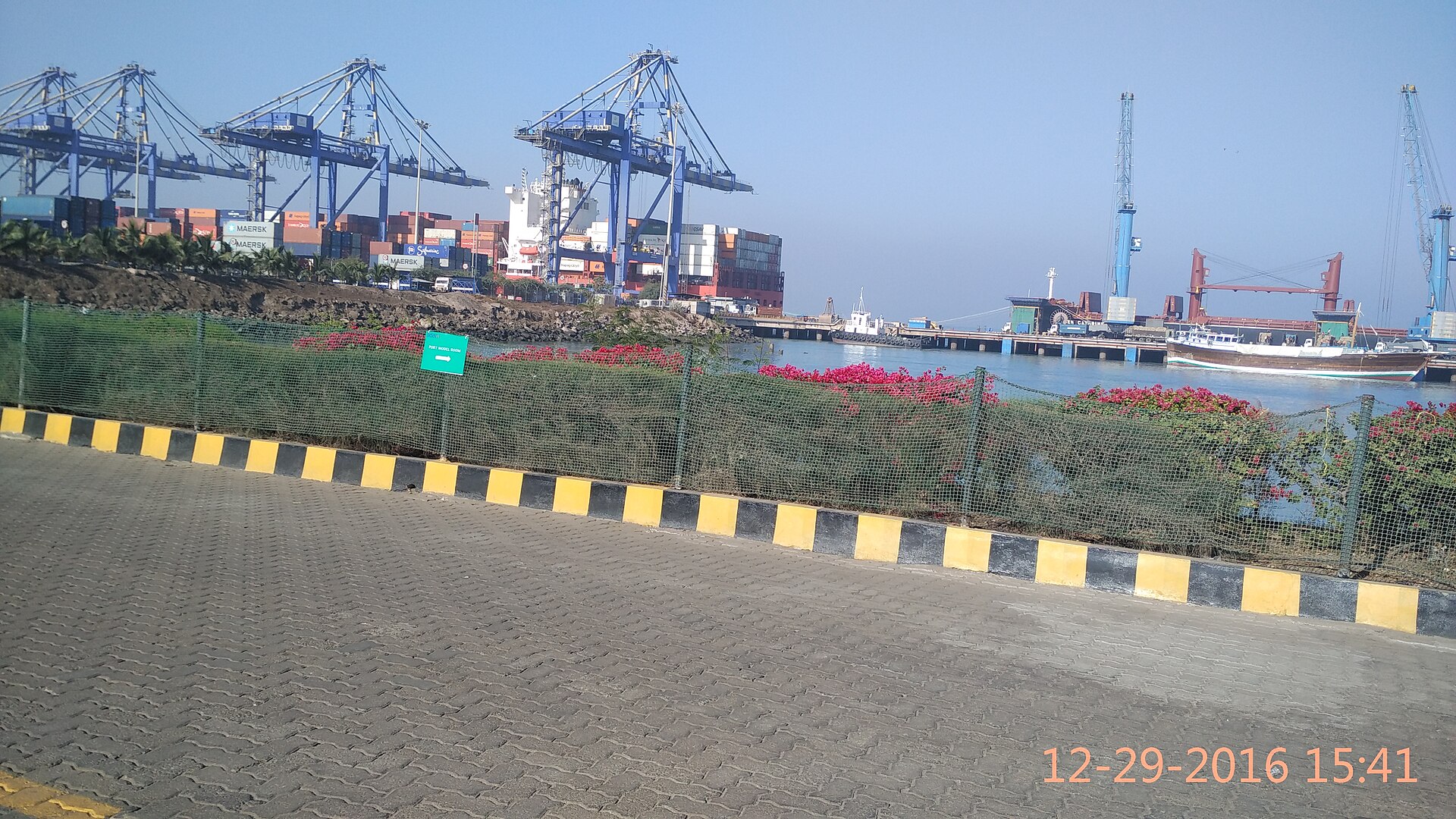
Sources: Business Today, Business Standard, Outlook India, CNBC, Asia Daily (25–27 Nov 2026). Image: Mundra Port, Gujarat — Umang roxx, Wikimedia Commons (CC BY-SA 4.0).