EPFO 3.0 Explained: PF Withdrawal Through UPI and ATM, New Withdrawal Rules and Retirement SWP — What Changes for You
EPFO is preparing its biggest upgrade in years. PF withdrawals through UPI could begin as early as December 2026, the minimum balance rule drops from 25% to 10%, and retirees will be able to take their money in instalments. Here is a simple guide for India's 36 crore+ PF members.
If you have a PF account, big changes are coming. The Employees' Provident Fund Organisation (EPFO), which manages retirement savings for more than 36 crore active members, is working on a new technology platform called EPFO 3.0, and its board has already approved several new withdrawal rules. Here is what is changing, what is confirmed, and what is still only reported.
What Is EPFO 3.0?
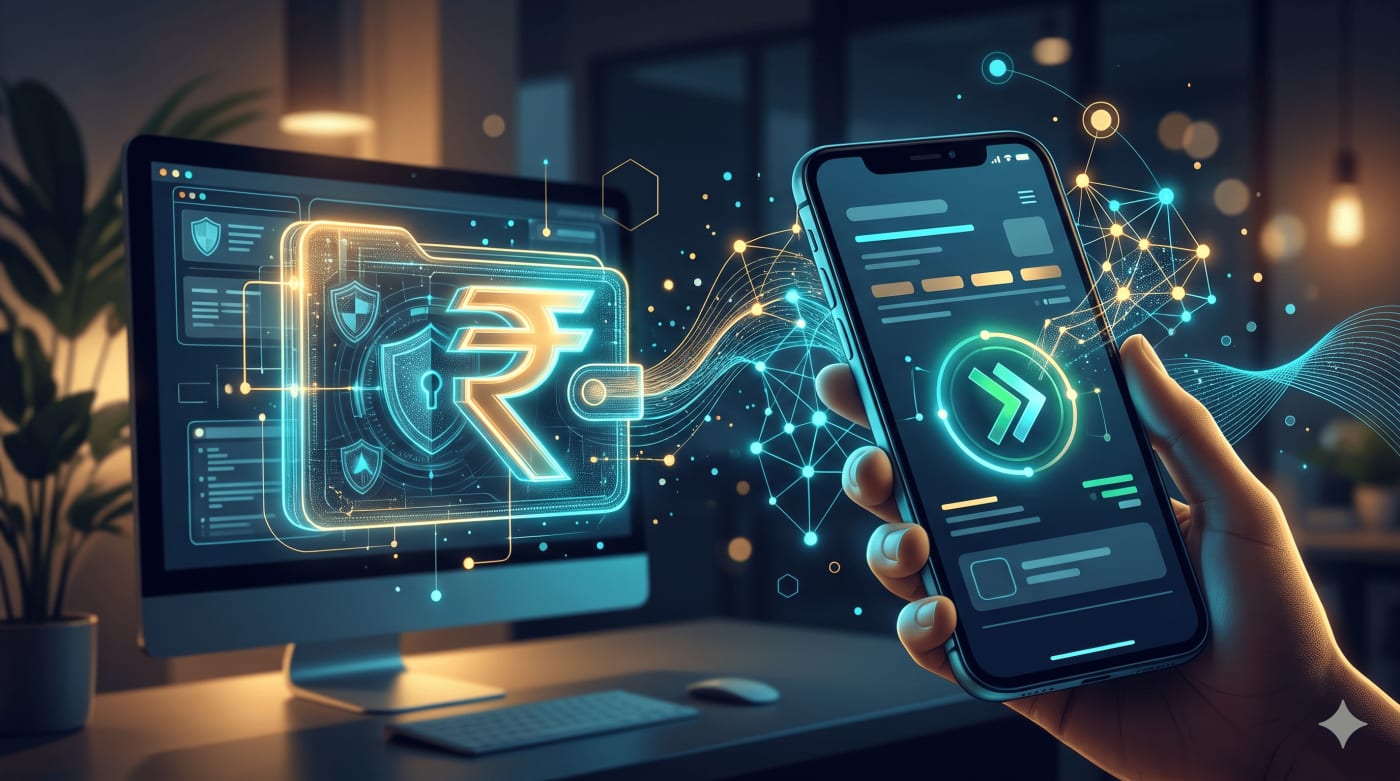
EPFO 3.0 is a complete overhaul of EPFO's digital systems. It is designed to handle data for around 200 crore members over the next 50 years. According to a Financial Express report cited by Business Standard, the platform could be announced at the next Central Board of Trustees (CBT) meeting, expected in February 2027.
PF Withdrawal Through UPI and ATM
The most talked-about change is direct access to your PF money:
- EPFO is working to let members withdraw eligible PF amounts directly through UPI and ATMs, instead of filing an online claim and waiting days for approval.
- Reports say UPI withdrawals could start as early as December 2026. Final trials with a small group of users are reportedly running through the BHIM app.
- You will only be able to withdraw amounts allowed under EPFO's withdrawal rules, not your full balance at any time.
New Withdrawal Rules Approved on November 19
At its 240th meeting on November 19, 2026, the EPFO board approved these changes:
- Minimum balance cut from 25% to 10%: You will need to keep a smaller share of your balance in the account when making withdrawals.
- Final withdrawal waiting period cut from 12 months to 2 months: After leaving a job, you will be able to make a final PF withdrawal much sooner.
- Systematic Withdrawal Plan (SWP) for retirees: Instead of taking a single lump sum, retiring members can choose monthly, quarterly or half-yearly payouts while the remaining money keeps earning interest. The Labour Ministry expects around 6.32 lakh members aged over 55 with balances above ₹5 lakh to benefit first. If a member dies during payouts, nominees can withdraw the balance or continue receiving instalments.
- Investment in AIFs: EPFO got in-principle approval to invest up to 3% of fresh yearly inflows in eligible Alternative Investment Funds, initially through government-backed entities.
What Is Confirmed and What Is Not
The new withdrawal rules and the SWP have been approved by the board, but they still need official notification and operational setup before you can use them. The dates for UPI withdrawal and the EPFO 3.0 launch are based on media reports and have not been officially announced.
The Good and the Risks
- Benefits: Faster access to money in emergencies, fewer rejected or delayed claims, and less paperwork.
- Concerns: Easy access could tempt people to spend retirement savings early. UPI-based access may also attract fraud, so members should never share their UPI PIN or OTP with anyone claiming to be from EPFO.
Quick FAQ
When can I withdraw PF through UPI? Reports suggest as early as December 2026, but EPFO has not officially confirmed a date.
Can I withdraw my full PF balance through an ATM? No. Only eligible amounts under the withdrawal rules can be taken out.
Do I need to do anything now? Make sure your UAN is active, your KYC (Aadhaar, PAN and bank account) is updated on the EPFO portal, and your mobile number is linked. These are usually required for faster withdrawals.
Have Your Say
Would you use UPI or ATM withdrawal for your PF, or keep it untouched for retirement? Cast your vote:
Vote Now: EPFO 3.0: Would You Withdraw Your PF Money Instantly Through UPI or an ATM?
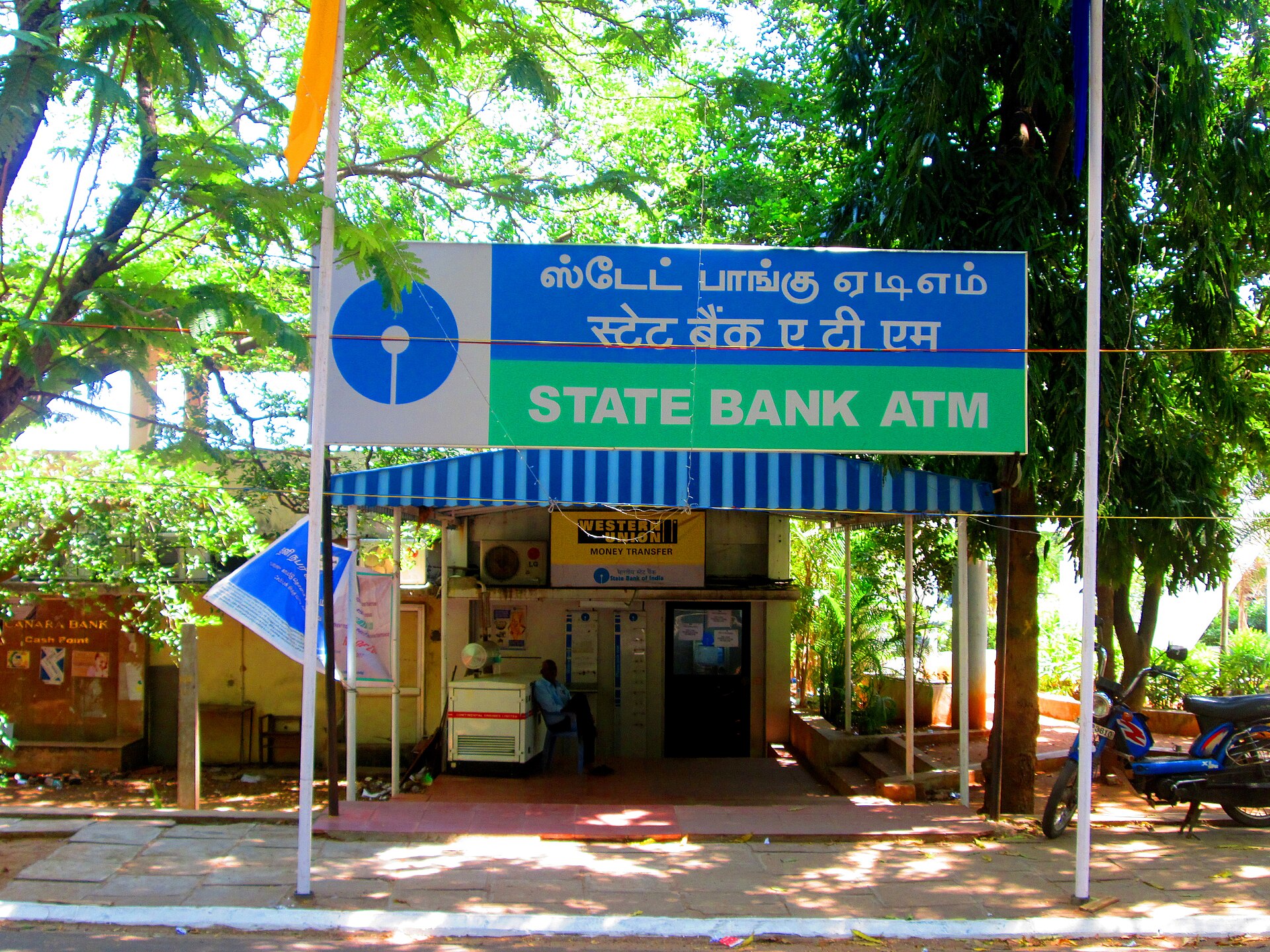
Image: State Bank of India ATM — Surya Prakash S.A., Wikimedia Commons. Sources: Business Standard (Nov 26, 2026), citing Financial Express and Hindu BusinessLine.