Analysis•November 24, 2026•3 min read
Cashfree AI Wallet & NPCI UAP: How Autonomous AI Agents Are Transforming UPI Payments in India
With Cashfree launching its dedicated AI Agent Wallet on November 24, 2026, alongside Razorpay's WhatsApp Business Agent and NPCI's Unified Agent Protocol, India is leading the shift to agentic commerce. Here is how autonomous AI payments work—and the RBI compliance risks ahead.
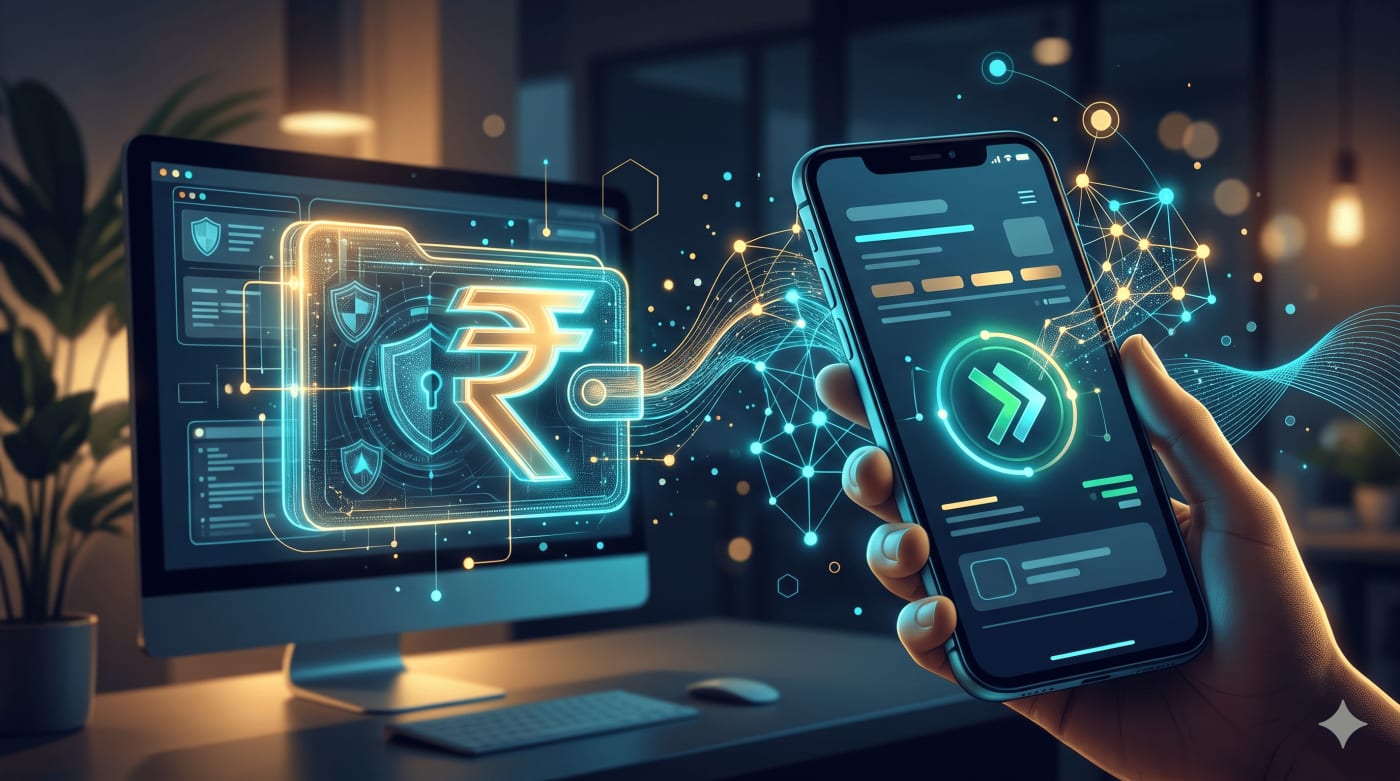
India’s digital payments ecosystem just crossed a historic milestone. Following record-breaking 25.47 billion UPI transactions worth ₹31.53 lakh crore in October 2026, Indian fintech infrastructure is shifting from human-initiated clicks to agentic commerce—where personal AI assistants execute real financial transactions on behalf of users.
On November 24, 2026 Bengaluru-based payments giant Cashfree officially launched Cashfree Wallet for AI Agents, allowing users to fund a prepaid wallet via UPI or cards and authorize MCP-compatible AI assistants to pay bills autonomously within strict spending caps.
How Autonomous AI Payments Work in India
Unlike traditional checkout flows that require manual PIN entry or OTP verification for every transaction, agentic payment rails separate authorization from execution:- One-Time Consent Mandates: Users verify their identity once, fund an isolated wallet balance, and define strict guardrails—including monthly spend caps, approved merchant categories, and validity windows.
- Zero Credential Exposure: Using Cashfree’s AgentPay MCP (Model Context Protocol) server, AI agents never gain access to underlying bank accounts, debit cards, or UPI PINs.
- Live BBPS & Upcoming Commerce Rails: At launch, AI agents can settle electricity, water, mobile, and broadband bills via the Bharat Bill Payment System (BBPS), with travel bookings, groceries, food delivery, and e-commerce currently in beta testing.
India’s Agentic Fintech Race: Cashfree, Razorpay & PayU
Cashfree’s rollout—fueled by a 16-fold surge in AI agent checkout traffic and over 100 developer integrations—marks the start of an aggressive fintech race in India:- Razorpay & Meta: Razorpay recently went live on Meta’s Business Agent, enabling end-to-end conversational discovery and native UPI payments directly inside WhatsApp.
- PayU & CoRover.ai: PayU has partnered with conversational AI platform CoRover.ai to power voice- and chat-led autonomous payment journeys.
- NPCI’s Unified Agent Protocol (UAP): At the infrastructure layer, NPCI is standardizing "Know Your Agent" verification and UPI Circle-style delegation so banks and apps can authenticate verified AI bots safely.
The Regulatory Dilemma: Convenience vs. Fraud Liability
While autonomous bill payments eliminate repetitive friction, cybersecurity researchers and policy analysts highlight critical unresolved questions under the Reserve Bank of India’s (RBI) digital payment frameworks:- Prompt-Injection & Hallucination Risks: If an AI agent misinterprets a user instruction or is tricked by a malicious merchant prompt, unauthorized purchases within the preset limit could still occur.
- Dispute & Chargeback Accountability: When an autonomous agent executes a flawed transaction, determining legal liability between the consumer, the AI model provider, and the payment aggregator remains a grey area.
Indexed Topics:#AI Agents#UPI Payments#Cashfree AI Wallet#NPCI#Agentic Commerce#Indian Fintech#RBI Regulation#Digital Payments 2026