Editorial: Red Warning Labels on Junk Food Are a Good Start — Now FSSAI Must Not Water Them Down
The Supreme Court has ordered red warning labels on packaged foods high in sugar, salt or saturated fat. It is one of the most consumer-friendly orders in years. But a long timeline, an industry that has resisted before, and thresholds still to be set mean the real test starts now.
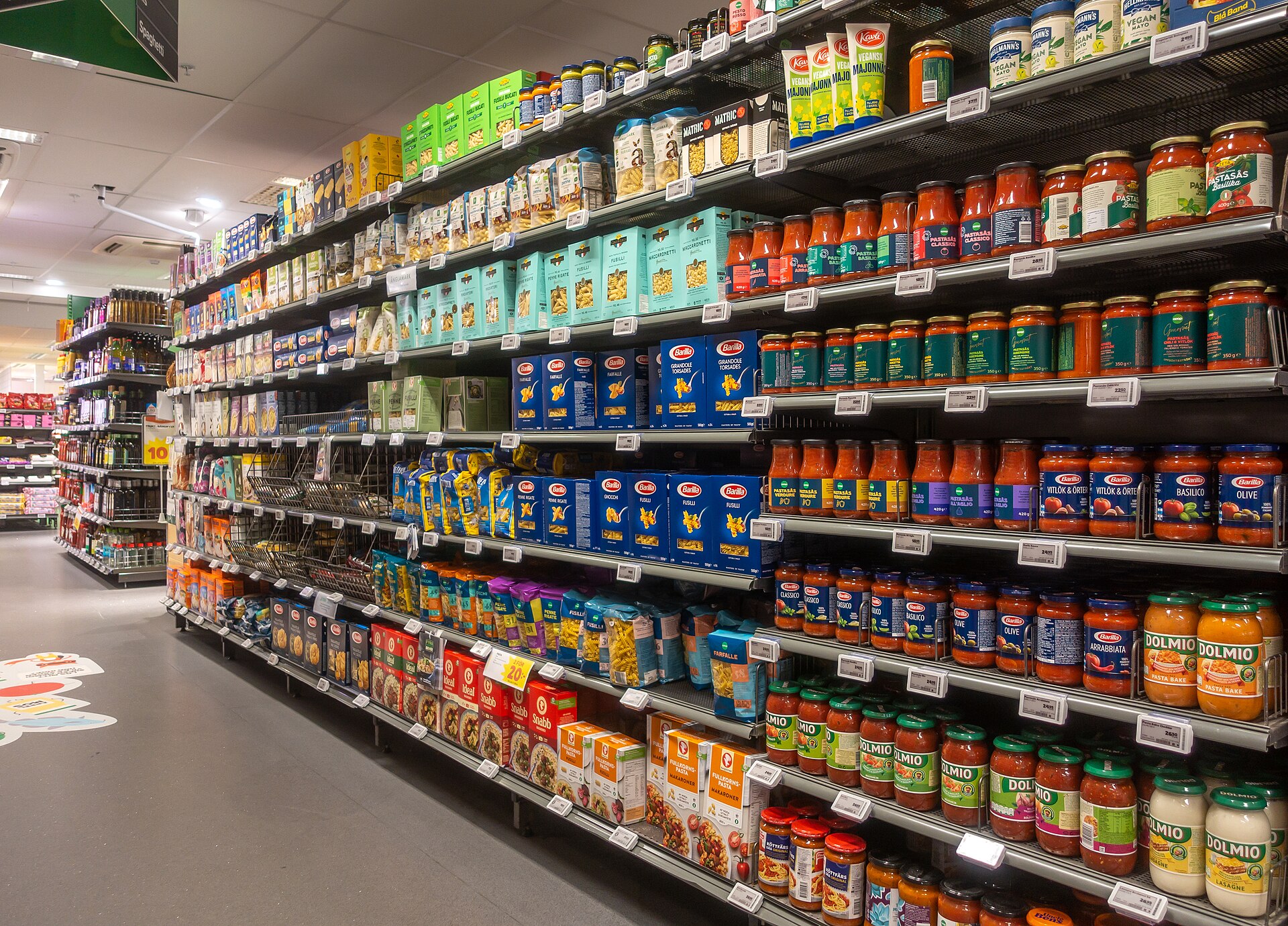
On November 26, 2026, the Supreme Court did something Indian shoppers have needed for a long time: it told the food regulator to put a clear warning on the front of unhealthy packaged food. If a packet of chips, biscuits or a cold drink has more sugar, salt or saturated fat than the prescribed limit, it will carry a red hexagonal warning with a picture — one for each nutrient that crosses the line.
This is a simple idea with a big potential impact. Today, most nutrition information sits in small print on the back of the packet, in grams and percentages that few people read while shopping. A red symbol on the front can be understood in a second, by anyone, in any language.
What the Court Ordered
- A bench of Justices J.B. Pardiwala and K. Vinod Chandran passed the order on a petition by the non-profit 3S and Our Health Society.
- Each warning must cover at least 4–5% of the front of the pack. A product high in all three — sugar, salt and saturated fat — would carry three warnings.
- FSSAI has about four months to finalise the rules and must report progress after 10 weeks.
- FSSAI must also review its limits scientifically, counting total sugars and saturated fat, not only added sugar and fat.
- After the rules are notified, companies get 365 days to comply, and the Court has cautioned against further extensions.
Why This Matters
Packaged snacks and sugary drinks are now part of everyday diets in cities and villages alike, and children are among the biggest consumers. Parents deserve to know, at a glance, what they are buying. Warning labels do not ban anything. They simply move information from the back of the packet to the front, where it can actually help people choose.
Countries such as Chile adopted front-of-pack warning symbols years ago, and India now has the chance to build a system suited to its own food habits.
The Real Test Starts Now
The order is a strong first step, but three things will decide whether it works:
- The limits must be honest. If FSSAI sets the sugar, salt and fat thresholds too high, very few products will ever carry a warning, and the label will mean little.
- No more delays. FSSAI dropped a 2022 'star rating' proposal after criticism, and a Reuters investigation in August reported that it had backed away from prominent warnings after industry lobbying. The Court's deadlines must be met.
- People must understand the symbol. A short public awareness campaign — on TV, in schools and on packets themselves — will make the labels far more useful.
The Other Side
Food companies and some small manufacturers worry about the cost of redesigning packaging, and some argue that labels alone will not change eating habits without better nutrition education. These concerns are fair, and the one-year compliance window is meant to address them. But the cost of not acting — rising lifestyle diseases and medical bills for families — is far higher.
Our View
Clear information is a basic consumer right. The Supreme Court has done its part. Now FSSAI must deliver strong, science-based rules on time, and companies should see this not as a burden but as a chance to make healthier products that do not need a red warning at all.
What Do You Think?
Will red warning labels change what you buy? Cast your vote:
This is an editorial and reflects SayNow's editorial view. Facts are based on reports of the Supreme Court order in 3S and Our Health Society v. Union of India (Nov 26, 2026), including Economic Times and Reuters. Image: Supermarket shelves — Wikimedia Commons.